Skip to content
Knife Verdict
Find my knife

Knife guide

Japanese Knives UK: Shapes, Steels and Where to Start

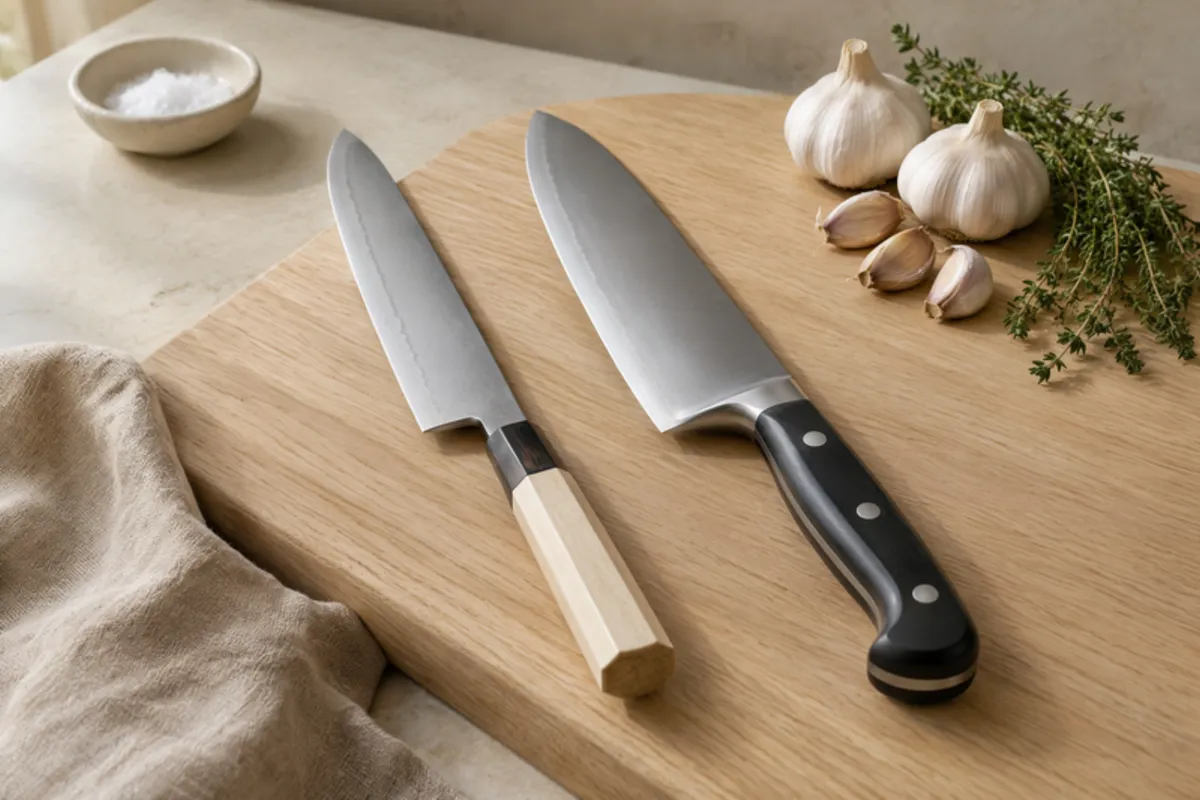
Japanese kitchen knives are thinner, lighter and harder than German ones. That makes them sharper and more precise, and less forgiving of bones, dishwashers and hard boards. Most people start with one all-purpose knife, a gyuto or a santoku, and add a second shape later.

Every knife below is sold by a UK retailer and shown with the steel and hardness its listing states. We compare the two traditions in Japanese vs German knives.

Specifications are as published by each retailer. Listed by price within each group. Prices checked 13 November 2026 and can change.

Affiliate links. The deal buttons on this page are affiliate links: we earn a commission if you buy through them, at no extra cost to you. How this works. Prices checked 13 November 2026 and can change. Knives are sold to over-18s only.

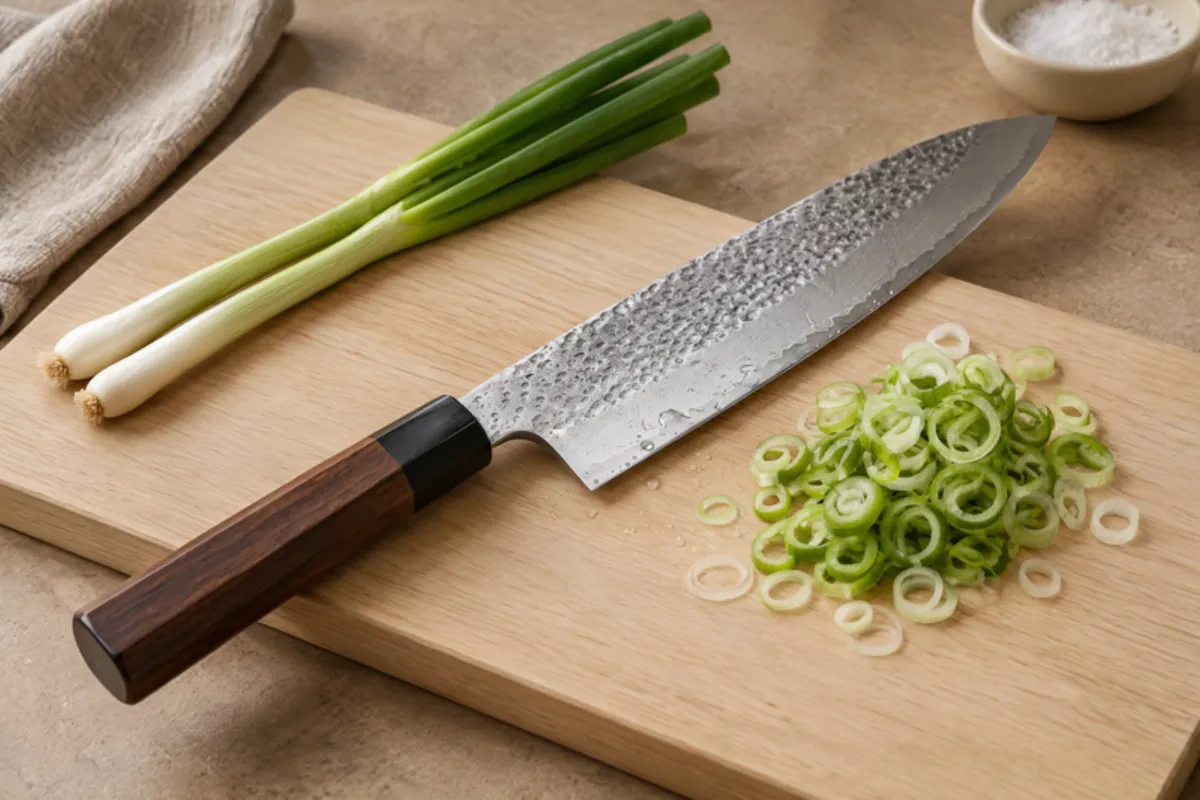
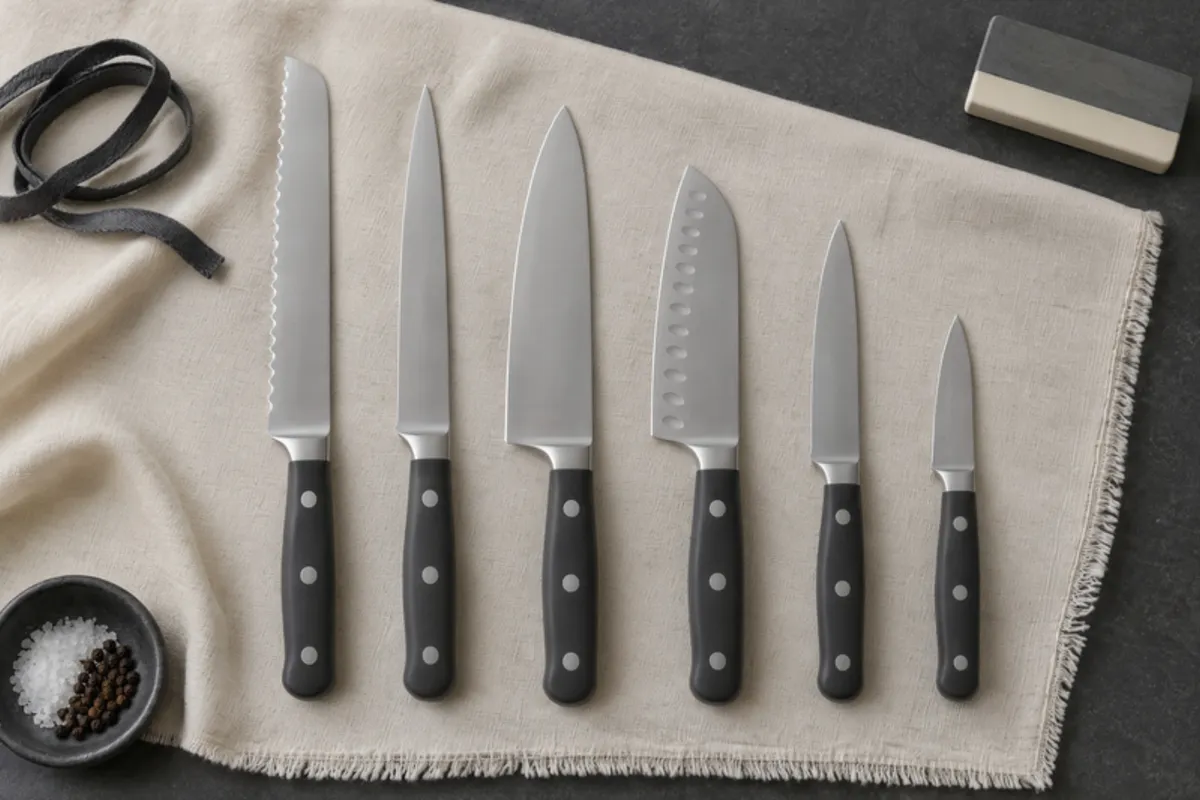
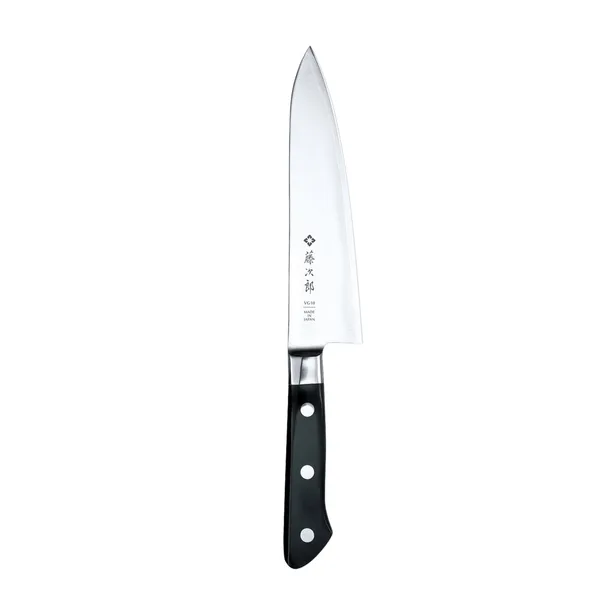
Gyuto: the Japanese chef's knife

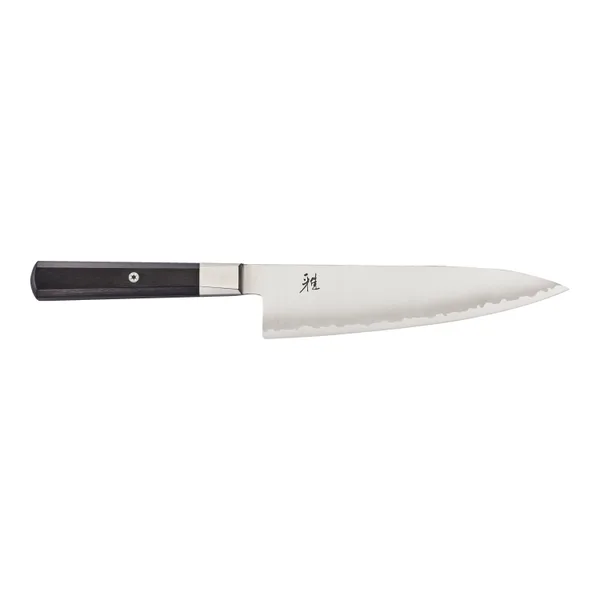
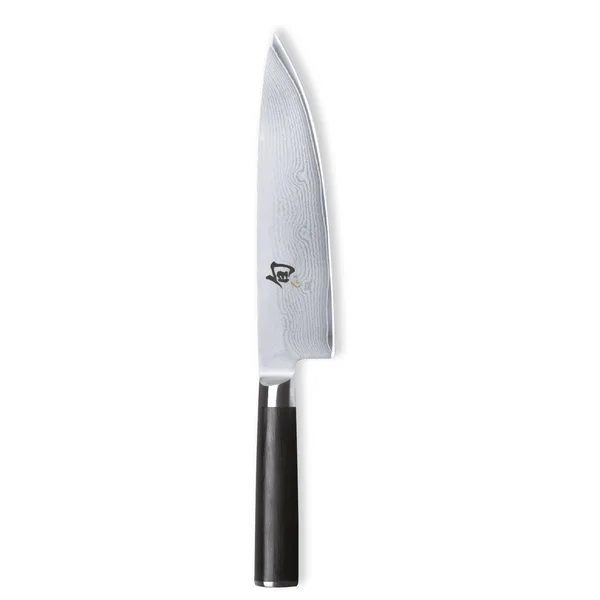
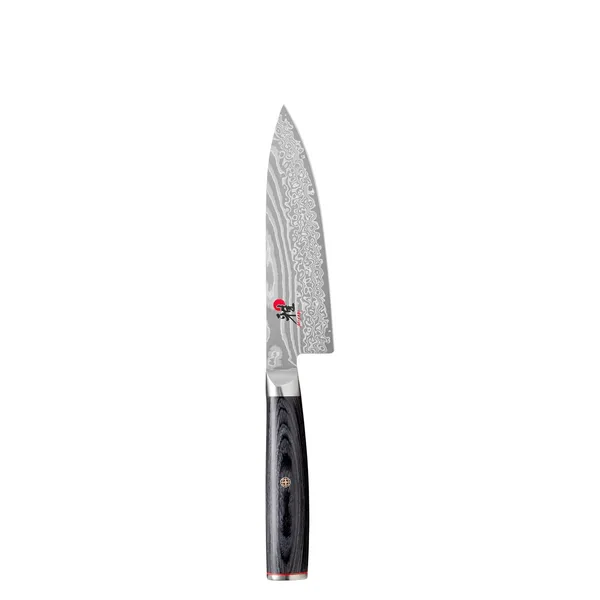
The all-rounder. A pointed tip and a gentle curve, usually 18 to 24cm. Choose this if you want one knife for meat, fish and vegetables.

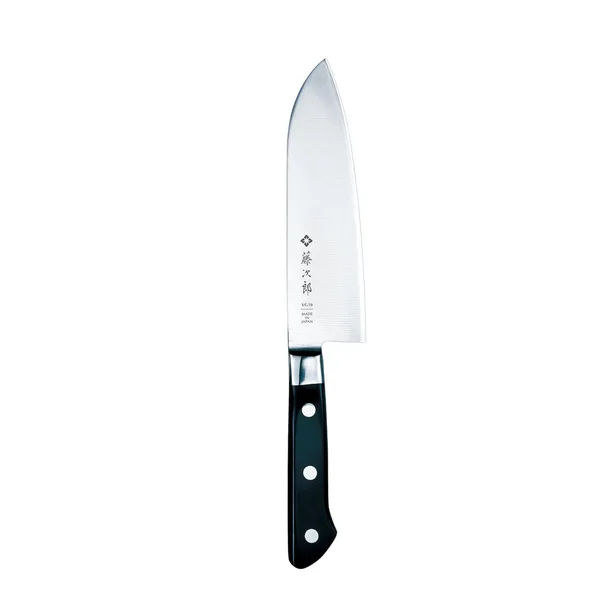
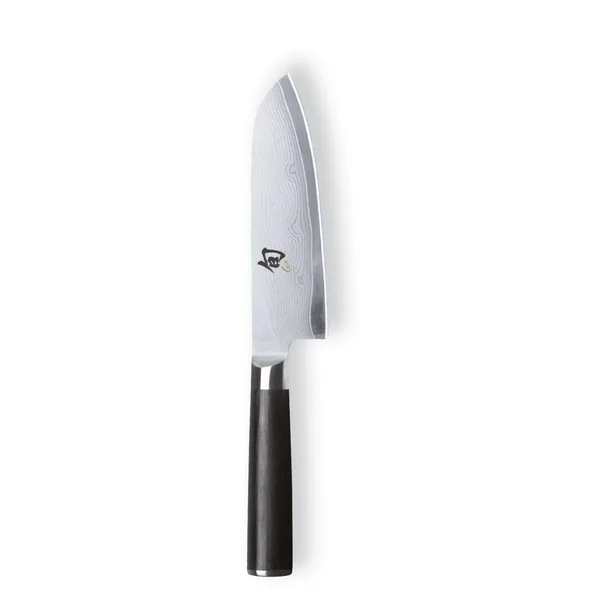
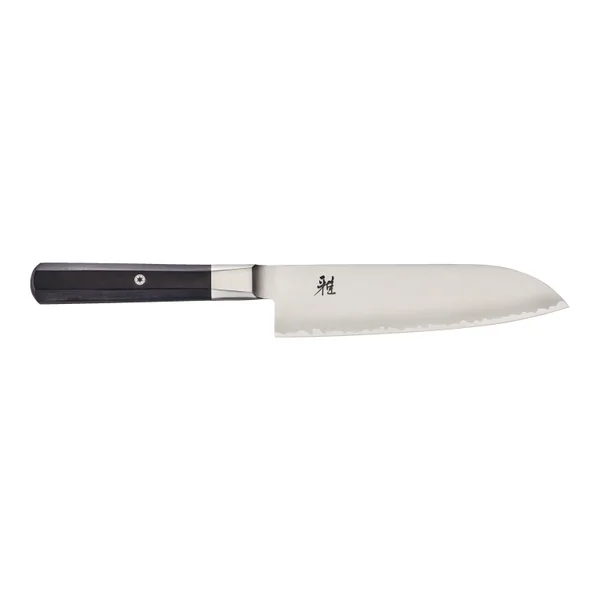
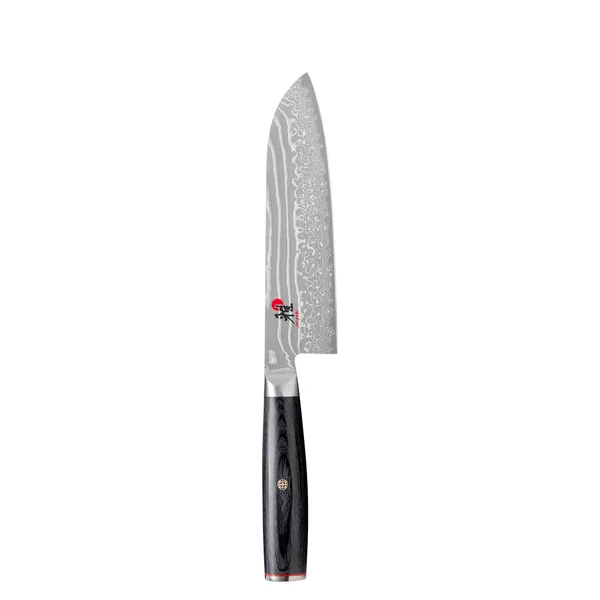
Santoku: shorter and flatter

A 16 to 18cm all-purpose knife with a rounded tip, suited to a straight chop and a small board.

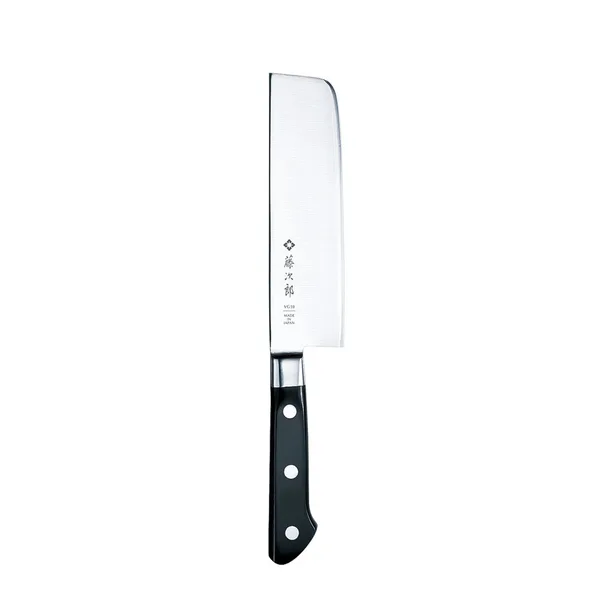
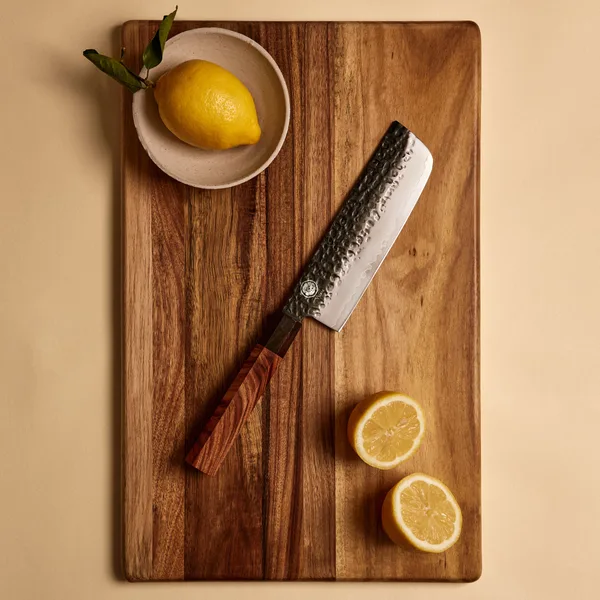
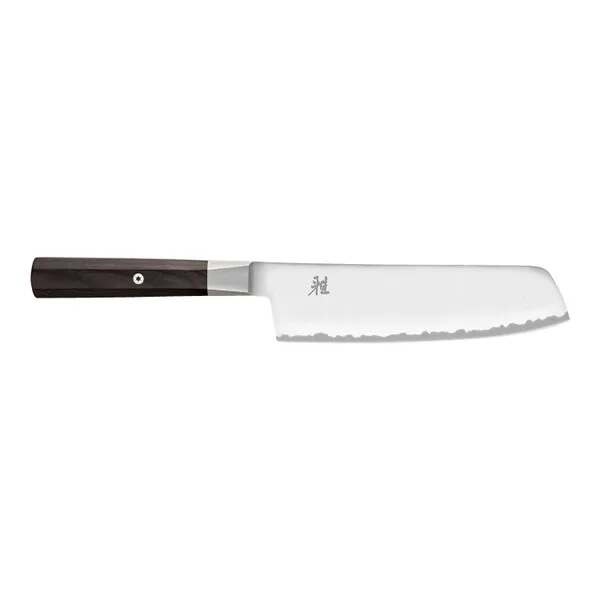
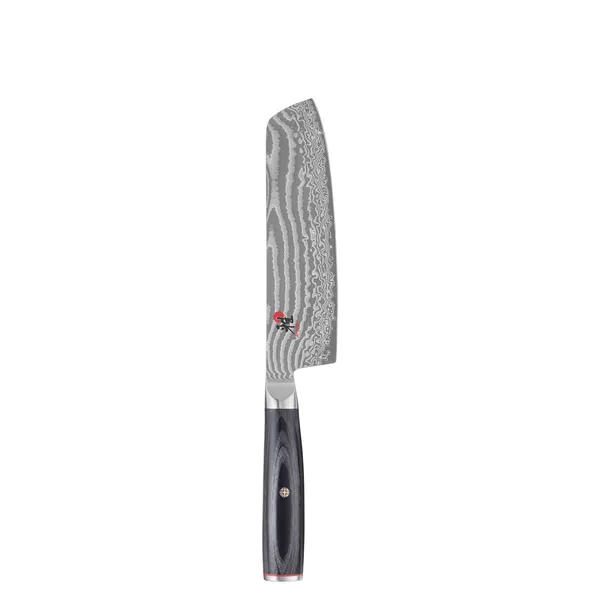
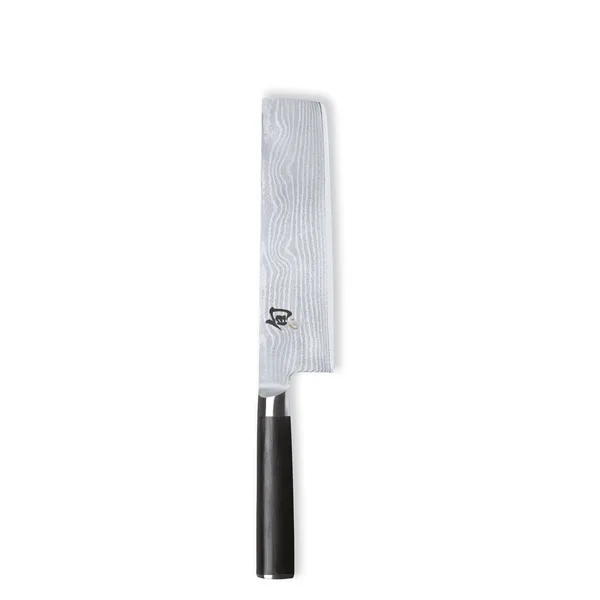
Nakiri: the vegetable knife

A rectangular blade with a dead-straight edge. A second knife for people who cook a lot of vegetables.

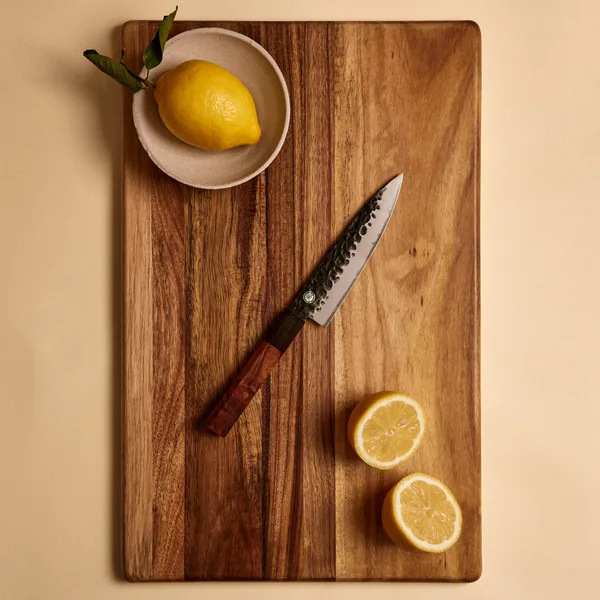
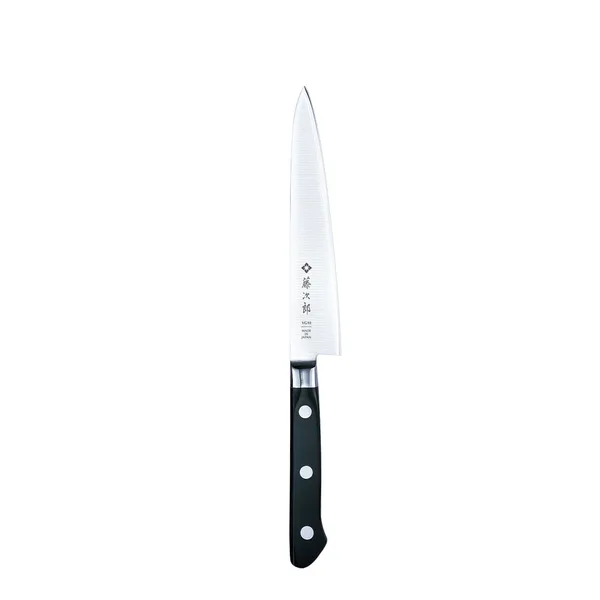
Petty: the small utility knife

A slim 12 to 15cm knife for peeling, trimming and detail work.

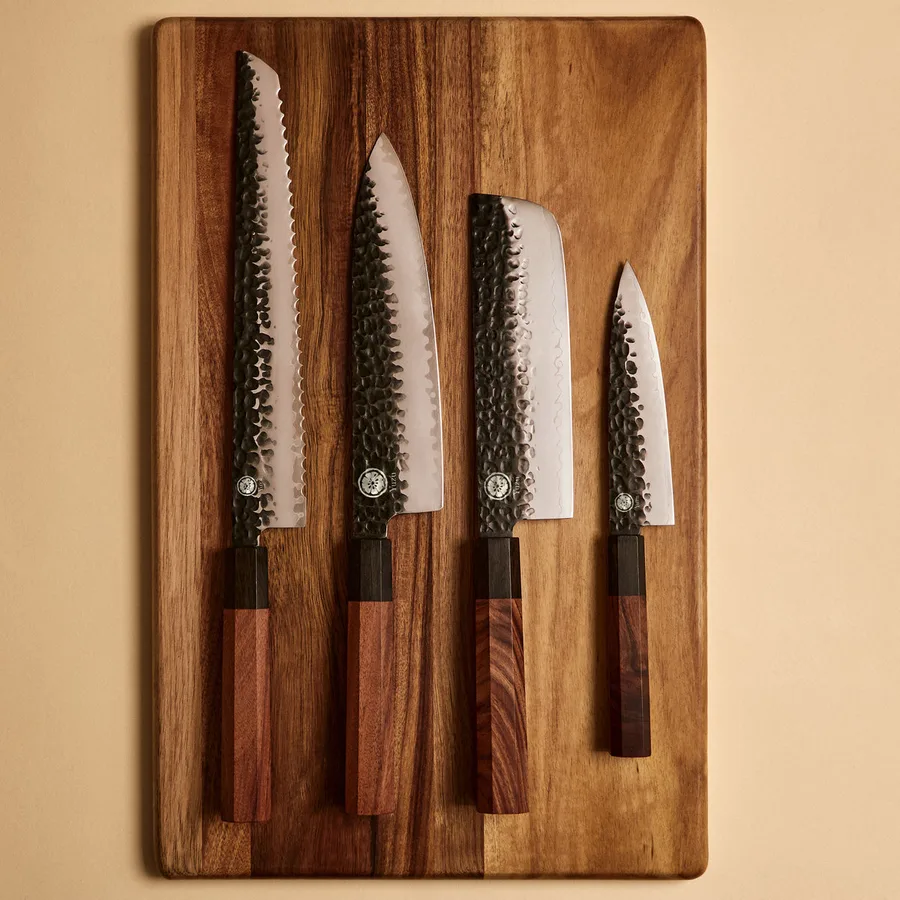
Knife sets we rate

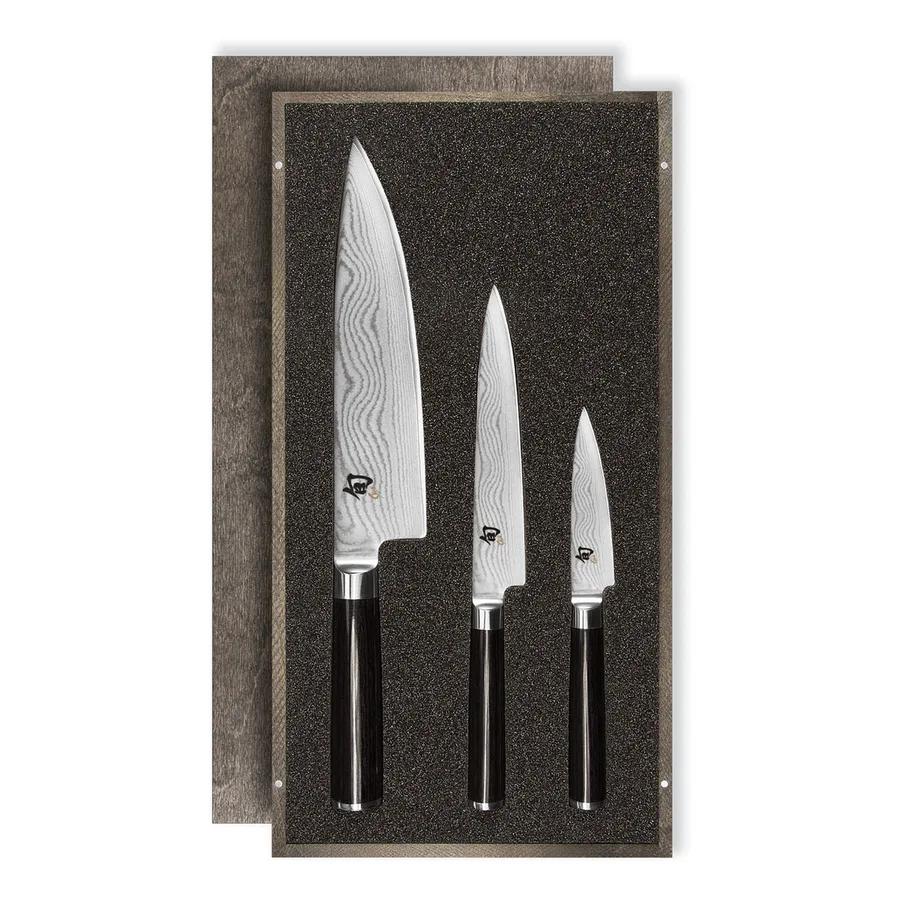
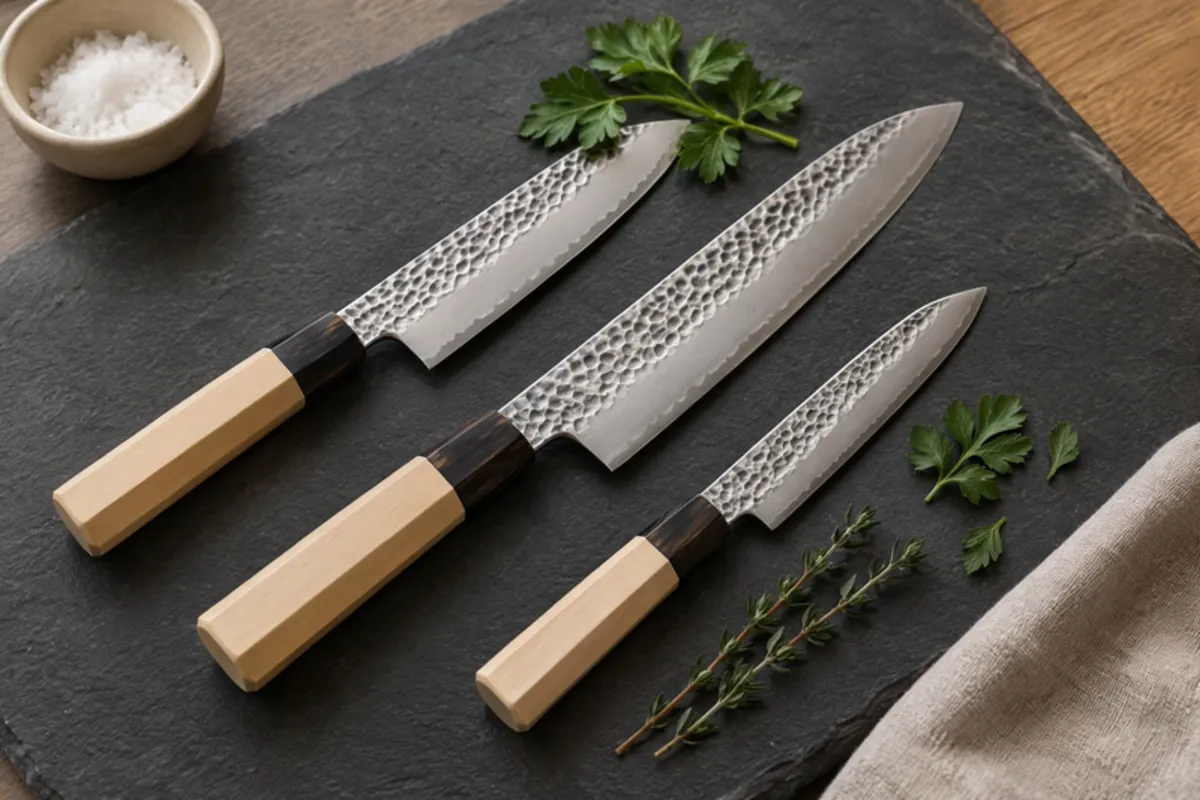
A set costs less per knife and comes with storage. See the full top 10

Guides

Buying Guides

Best Japanese Knife Sets UK

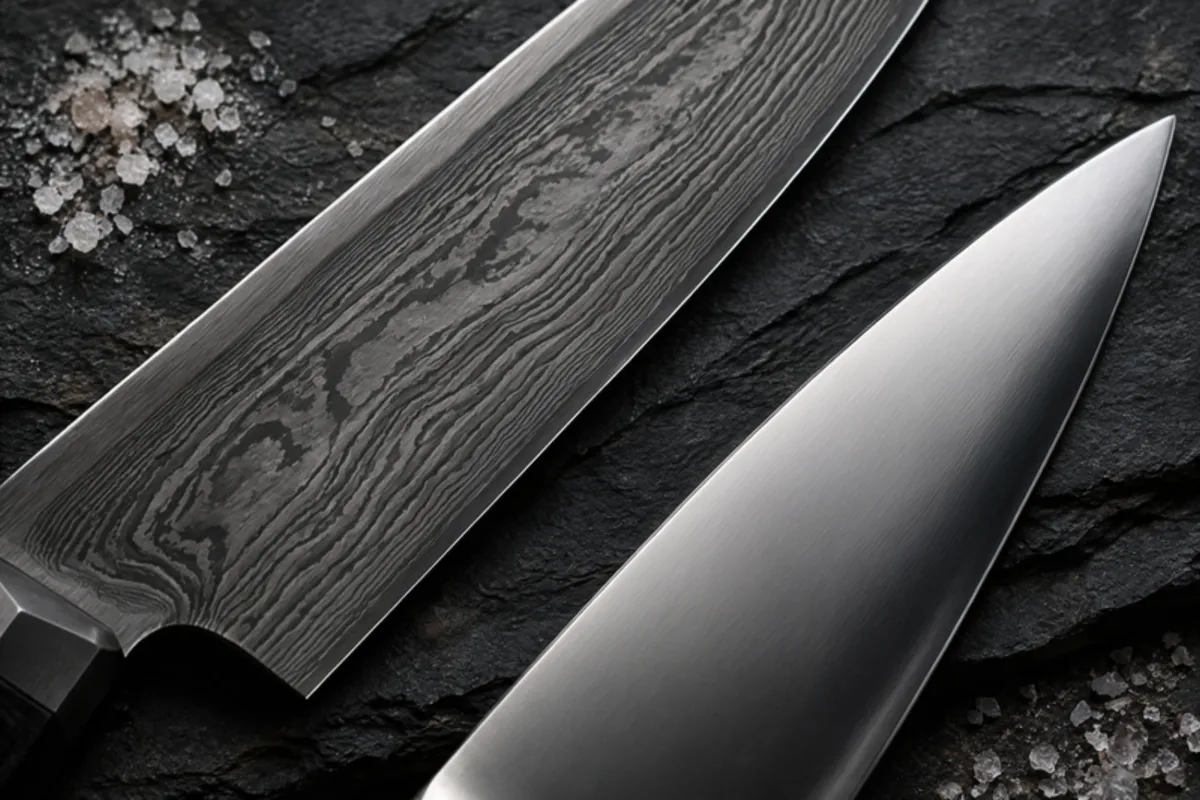
The best Japanese knife sets you can buy in the UK, what makes Japanese knives different, and how to avoid fake Damascus.

6 min read

Frequently asked questions

Are Japanese knives better than German knives?

They are sharper and hold an edge longer, and they chip more easily and need more care. German knives are tougher and easier to maintain. Which is better depends on how you cook and look after knives.

Which Japanese knife should I buy first?

A gyuto of about 21cm if you want one all-purpose knife, or a santoku of 17 to 18cm if you prefer a shorter blade and chop straight down.

How much does a good Japanese knife cost in the UK?

At the retailers we checked, Japanese-style utility knives started at £75 and chef's knives at £107. Knives with harder 61 HRC steel started at £169.

Can Japanese knives go in the dishwasher?

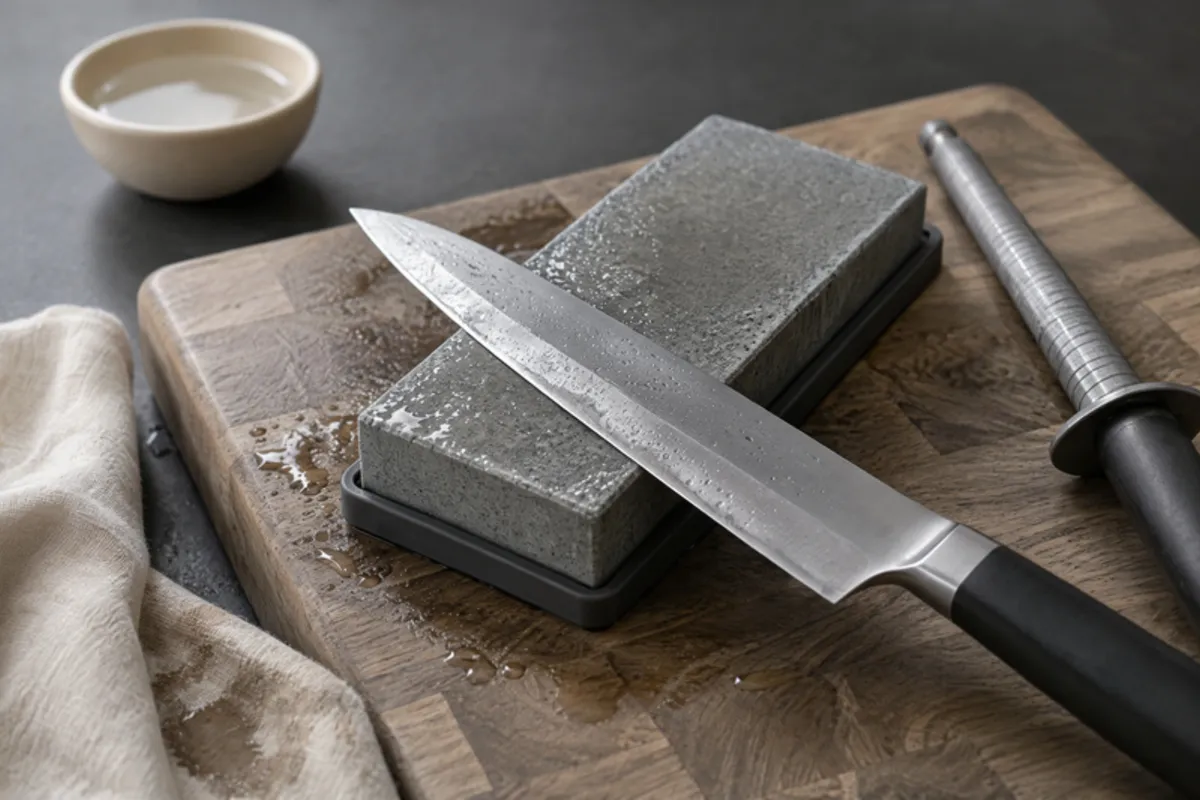
No. Hand wash and dry them straight away. Dishwashers dull the edge, can chip it and encourage rust spots.