Best Japanese Chef Knife UK: How to Choose a Gyuto
How to choose a Japanese chef's knife in the UK: gyuto or santoku, 18, 21 or 24cm, VG-10 or AUS-10, handle styles, and how to care for one.

By Areku Hashimoto, 12 years as a chefUpdated 13 November 2026 · 6 min read
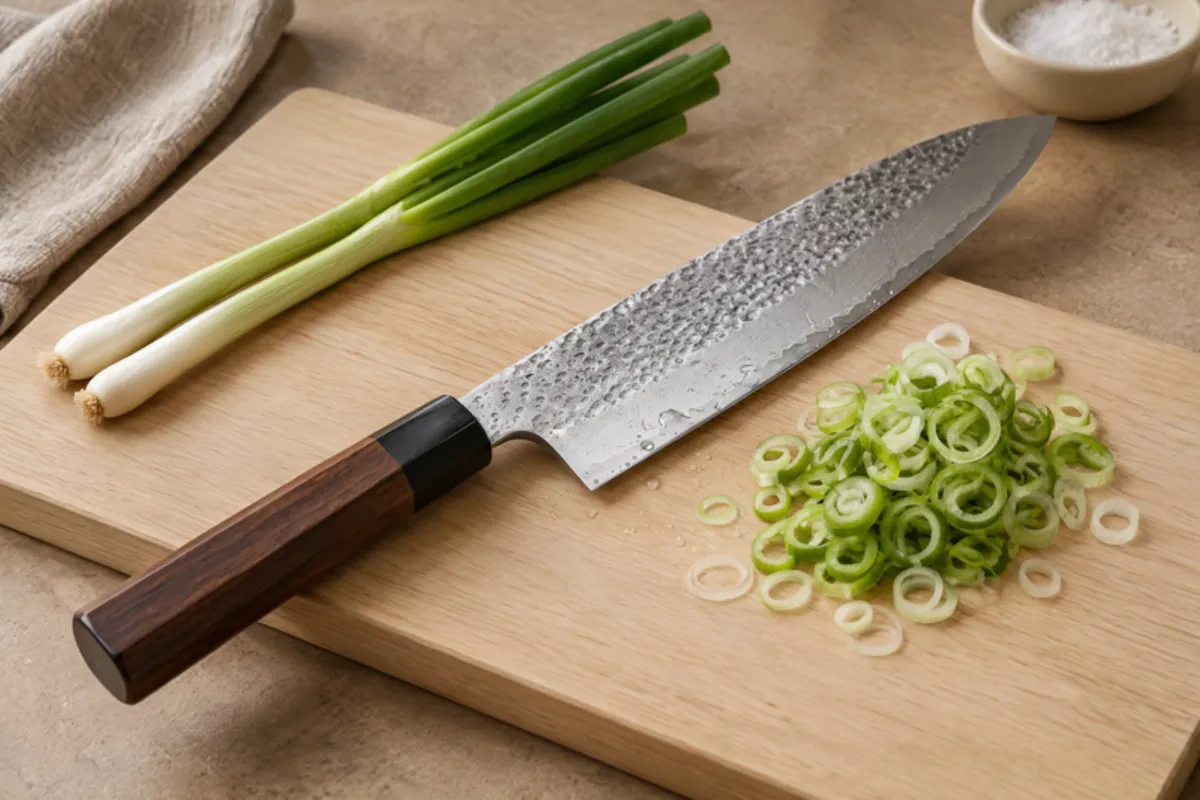
A Japanese chef's knife is called a gyuto. It does the same job as a Western chef's knife with a thinner, lighter, harder blade. That makes it sharper and more precise, and less tolerant of rough use. Here is how to choose one.
Japanese chef's knives to consider
We have used each of these ourselves. Specifications are as published by each retailer. Listed by price. Prices checked 13 November 2026 and can change. The deal links are affiliate links: we earn a commission if you buy through them, at no extra cost to you.
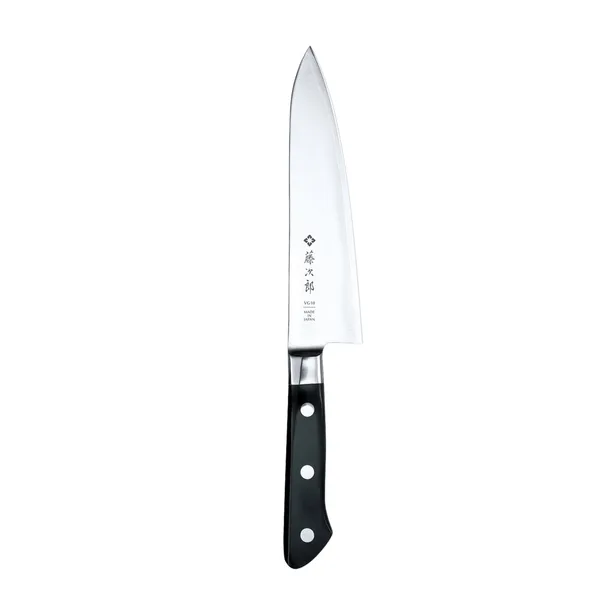
TOJIRO Classic Chef's Knife (Gyuto)
The lowest-priced VG10 gyuto in this guide, from a long-established Japanese maker.
- VG10 core clad in softer stainless steel
- 58 ±1 HRC
- 18cm or 21cm blade
- Made in Tsubame-Sanjo, Japan
- £107 at Borough Kitchen (18cm)View deal for TOJIRO Classic Chef's Knife (Gyuto) at Borough Kitchen (opens in a new tab)
- £122 at Borough Kitchen (21cm)View deal for TOJIRO Classic Chef's Knife (Gyuto) at Borough Kitchen (opens in a new tab)
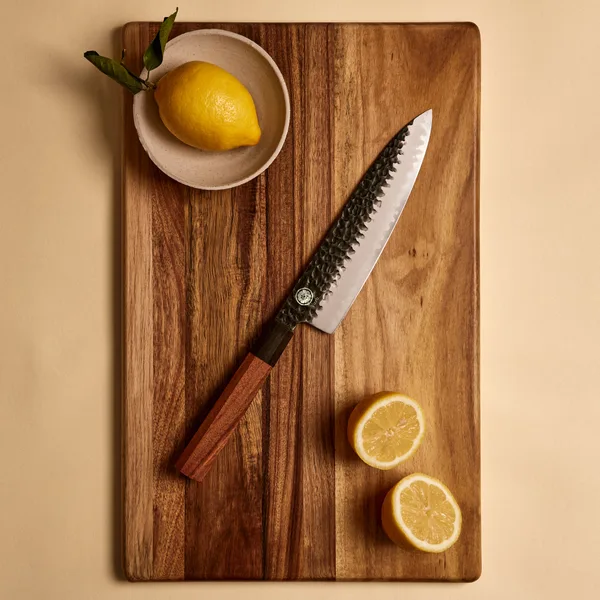
Yuzu Gyuto Knife
A traditional-looking gyuto with a light Japanese handle and a dark forged finish.
- AUS-10 core in three-layer San-Mai
- 58 to 60 HRC
- Hand-forged Kurouchi finish
- Ebony and rosewood Wa handle
- £109 at Yuzu KnivesView deal for Yuzu Gyuto Knife at Yuzu Knives (opens in a new tab)
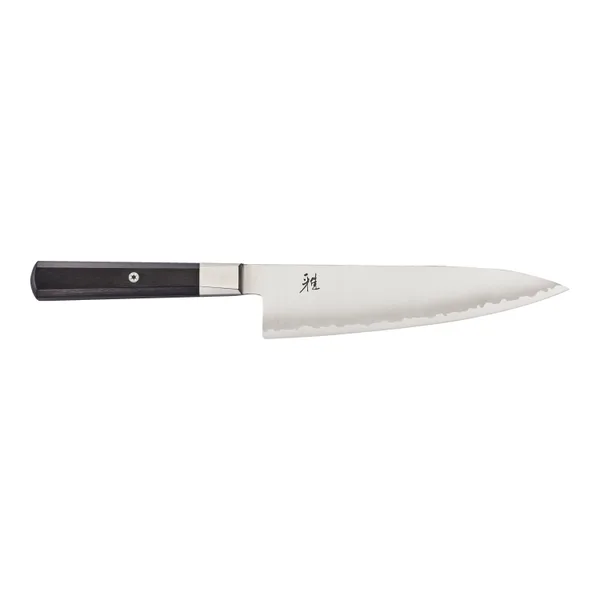
MIYABI Koh 4000FC Gyutoh 20cm
Harder steel than the knives above it in price, without Damascus cladding.
- FC61 fine carbide steel
- 61 HRC
- 20cm blade
- Made in Japan
- £169 at ZWILLING (20cm)View deal for MIYABI Koh 4000FC Gyutoh 20cm at ZWILLING (opens in a new tab)
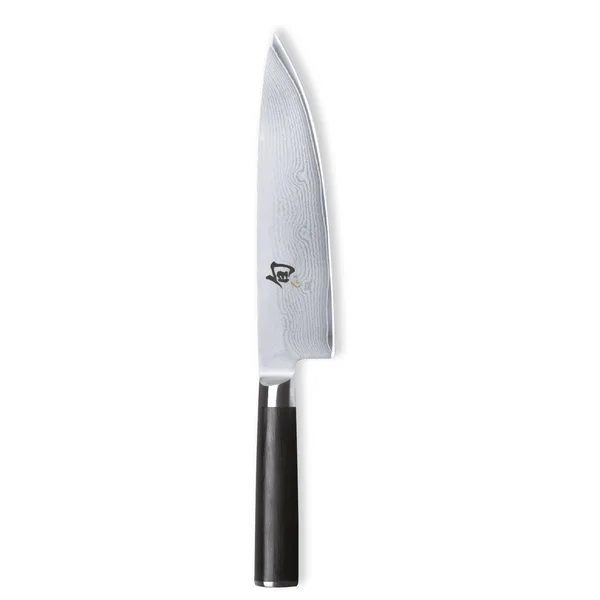
Kai Shun Classic Chef's Knife
A Japanese blade in a Western profile, in three lengths including a short 15cm.
- VG-MAX core
- 32 layers of Damascus cladding
- 15cm, 20cm or 25cm blade
- Japanese-made, Western chef's knife shape
- £169 at Borough Kitchen (15cm)View deal for Kai Shun Classic Chef's Knife at Borough Kitchen (opens in a new tab)
- £184 at Borough Kitchen (20cm)View deal for Kai Shun Classic Chef's Knife at Borough Kitchen (opens in a new tab)
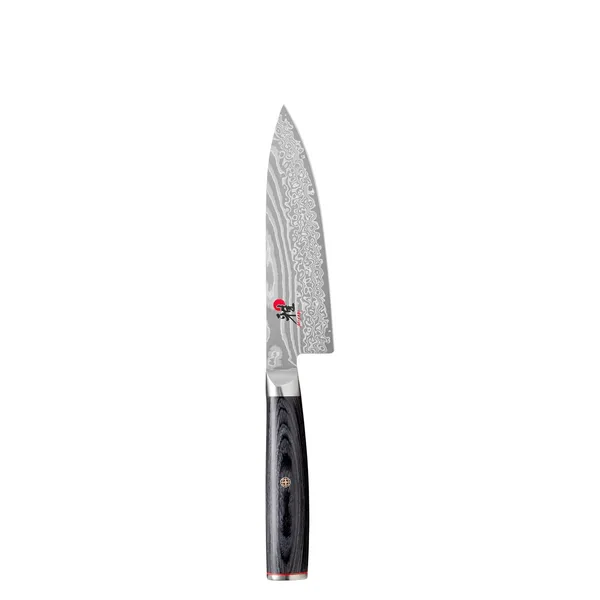
MIYABI 5000FCD Gyutoh 20cm
Sold by two of our retailers at very different prices on the day we checked.
- FC61 fine carbide core, about 61 HRC
- Damascus cladding
- Ice-hardened FRIODUR blade
- Pakkawood handle, made in Seki, Japan
- £190 at Borough Kitchen (20cm)View deal for MIYABI 5000FCD Gyutoh 20cm at Borough Kitchen (opens in a new tab)
- £259 at ZWILLING (20cm)View deal for MIYABI 5000FCD Gyutoh 20cm at ZWILLING (opens in a new tab)
Gyuto or santoku?
A gyuto has a pointed tip and a gentle curve, so it can rock-chop and slice. A santoku is shorter and flatter with a rounded tip, suited to an up-and-down chop. If you want one all-purpose knife and cook meat as well as vegetables, choose the gyuto. More in chef's knife vs santoku.
Which length?
| Length | Suits |
|---|---|
| 18cm | Small boards, small hands, cooks used to a santoku |
| 21cm | Most home cooks. The standard choice |
| 24cm | Large boards and big prep jobs. Long for a home kitchen |
Which steel?
| Steel | Typical hardness | Character |
|---|---|---|
| AUS-8 | 57 to 59 HRC | Tough, easy to sharpen, entry level |
| AUS-10 | 58 to 60 HRC | A good balance of edge life and toughness |
| VG-10 | 60 to 61 HRC | Long edge life, the classic mid-range choice |
| SG2 / R2 | 62 to 64 HRC | Powder steel, very long edge life, expensive |
| Carbon steel (Aogami, Shirogami) | 61 to 65 HRC | Takes the keenest edge but rusts if left wet |
For a first Japanese knife, stainless AUS-10 or VG-10 is the sensible pick. You get the sharpness without the upkeep of carbon steel. See VG-10 vs German stainless steel for how these compare with Western knives.
Handle: Japanese or Western
- Wa handle: the traditional Japanese style, a light wooden handle that is octagonal, oval or D-shaped. It moves the balance forward into the blade.
- Yo handle: a Western riveted handle with a full tang. Heavier and more familiar.
Cladding and finish
Many Japanese knives sandwich a hard core between softer stainless layers. This is called San-Mai. It protects the hard steel and makes the knife tougher. Damascus cladding and hammered (tsuchime) finishes are mostly decorative, though a hammered surface can help food release.
Two rated sets built around a Japanese chef's knife
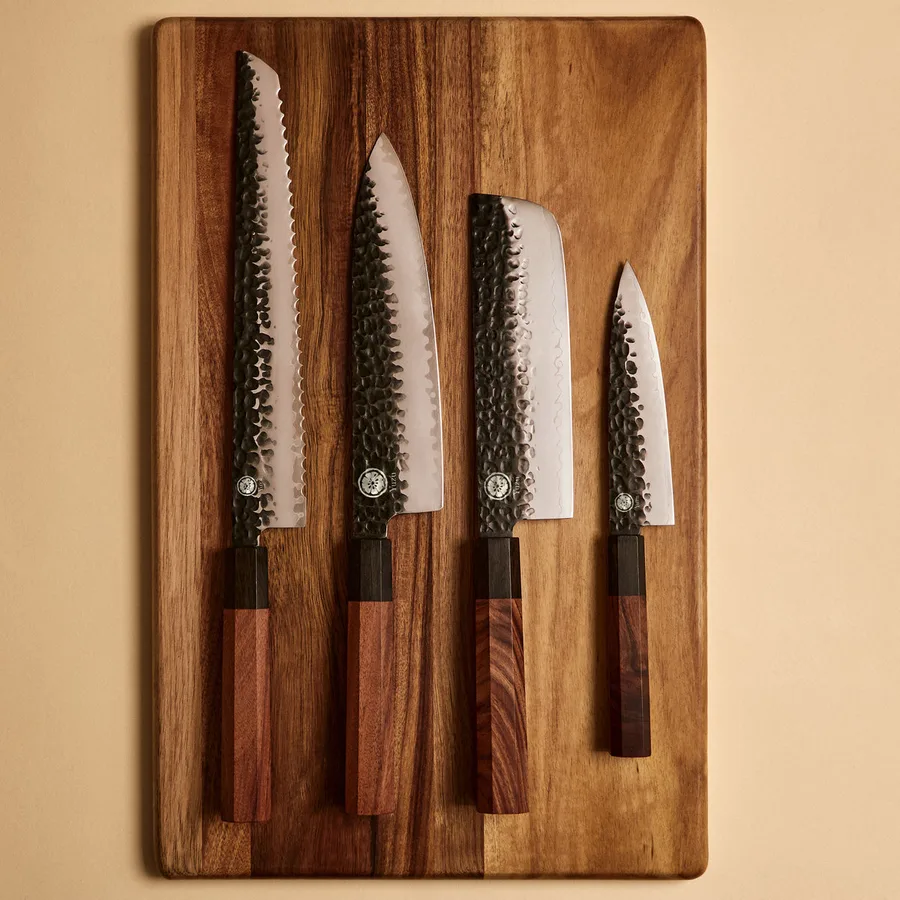
- Yuzu Four Knife Set: a gyuto, nakiri, petty and bread knife with an AUS-10 core in three-layer San-Mai, at 58 to 60 HRC.
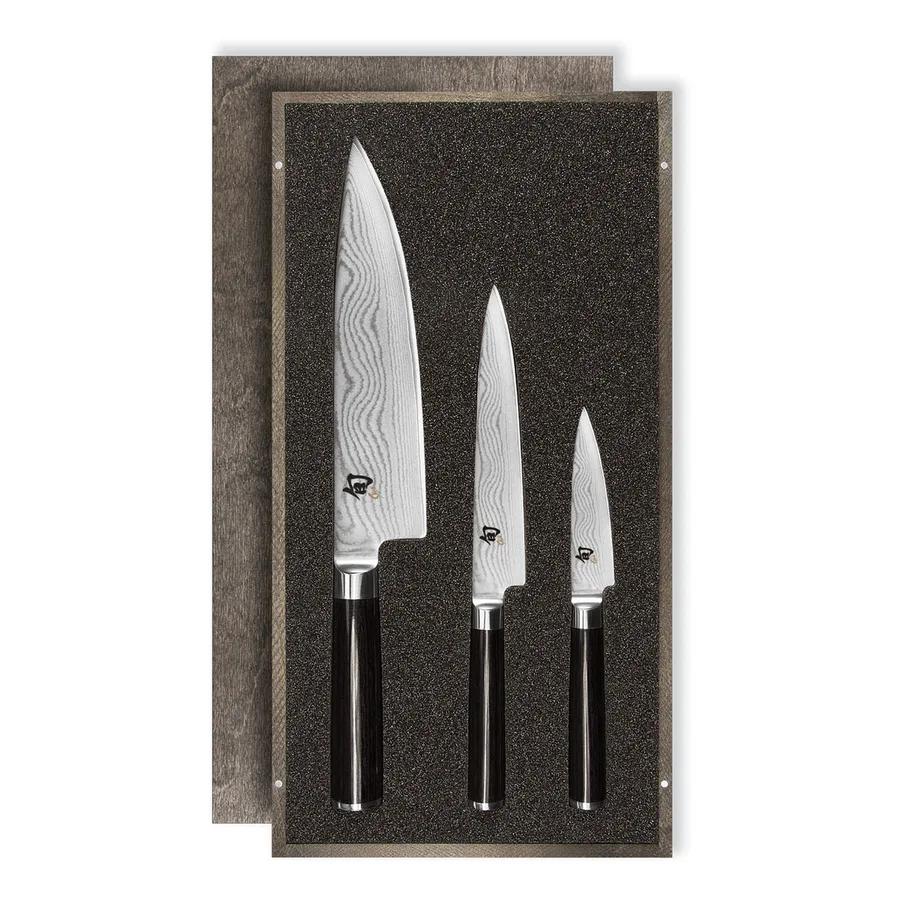
- Kai Shun Classic 3 Piece: chef's, utility and paring knives with a VG-MAX core and Damascus cladding, at about 61 HRC.
Both are in our round-up of the best Japanese knife sets in the UK.
Looking after it
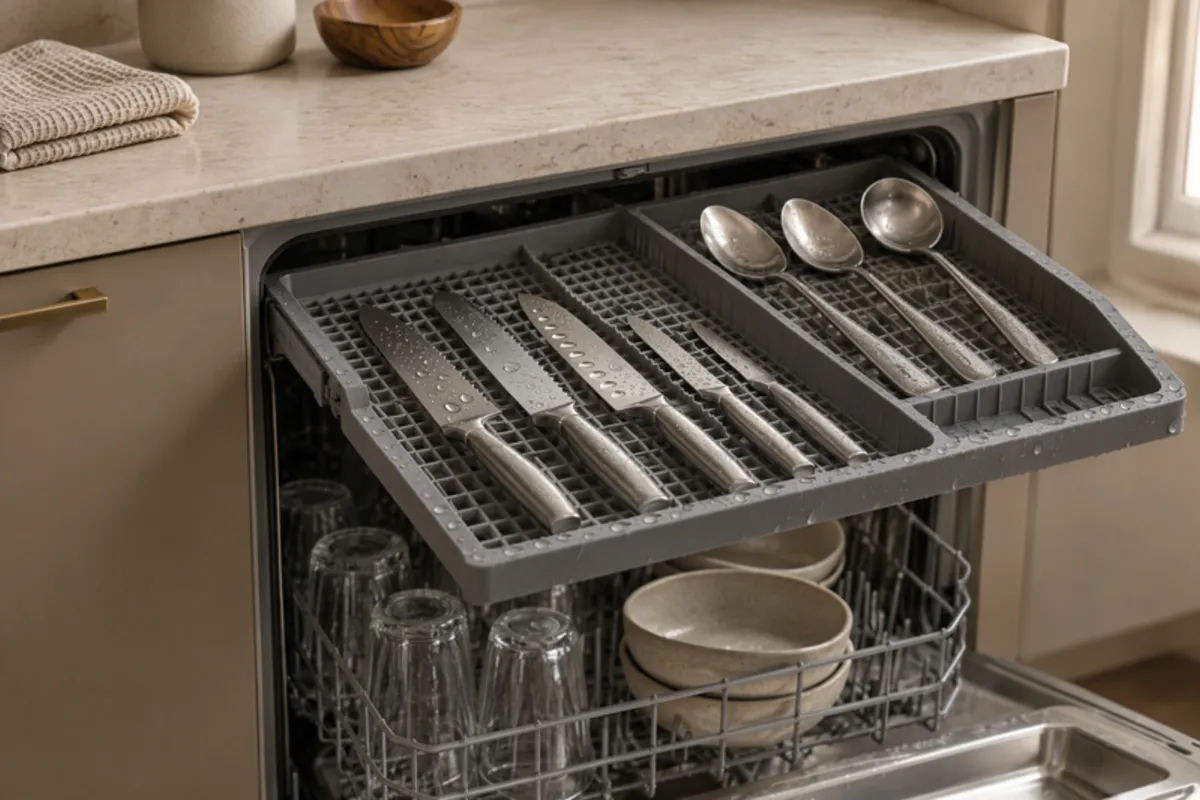
- Hand wash and dry straight away. Never the dishwasher.
- Use a wooden or soft plastic board. Glass, marble and ceramic chip hard edges. See best chopping board for your knives.
- Do not twist or lever. No bones, frozen food or hard squash.
- Sharpen on a whetstone, not a pull-through sharpener. See choosing a whetstone for Japanese knives.
Is it right for you?
Choose a Japanese chef's knife if you enjoy cooking, cut mostly vegetables, fish and boneless meat, and are happy to hand wash. Choose a German knife if several people share the kitchen and the knives will not always be treated gently.
Knife sets we have tested
Affiliate links. The deal buttons on this page are affiliate links: we earn a commission if you buy through them, at no extra cost to you. How this works. Prices checked 13 November 2026 and can change. Knives are sold to over-18s only.
Frequently asked questions
What is a Japanese chef's knife called?
A gyuto. It has a similar profile to a Western chef's knife but is thinner, lighter and made of harder steel.
What size gyuto should I buy?
21cm suits most home cooks. Choose 18cm for a small board or small hands, and 24cm only if you have plenty of space.
Are Japanese knives harder to look after?
A little. They should be hand washed, kept off hard boards and bones, and sharpened on a whetstone. In return they hold a keener edge.