Best Chopping Board Material for Your Knives
Wood, plastic, bamboo, rubber, glass and stone chopping boards compared for how they treat a knife edge, hygiene and upkeep.

By Areku Hashimoto, 12 years as a chefUpdated 13 November 2026 · 4 min read
Every cut ends with the edge hitting the board. Do that a few thousand times and the board matters as much as the steel. The wrong surface can blunt a new knife in a week.
Materials ranked for edge care
| Material | Kind to edges? | Notes |
|---|---|---|
| End-grain wood | Excellent | Fibres part and close up again. Heavy and pricey. |
| Edge-grain wood | Very good | The best all-round choice. |
| Soft rubber / synthetic rubber | Excellent | Used in professional kitchens. |
| Plastic (polyethylene) | Good | Cheap, dishwasher safe. Replace when deeply scored. |
| Bamboo | Fair | Hard and contains silica. Dulls edges faster than wood. |
| Composite (paper or wood fibre) | Fair | Thin and dishwasher safe but hard. |
| Glass, marble, granite, steel | Terrible | Harder than the knife. Use for serving only. |
Wood
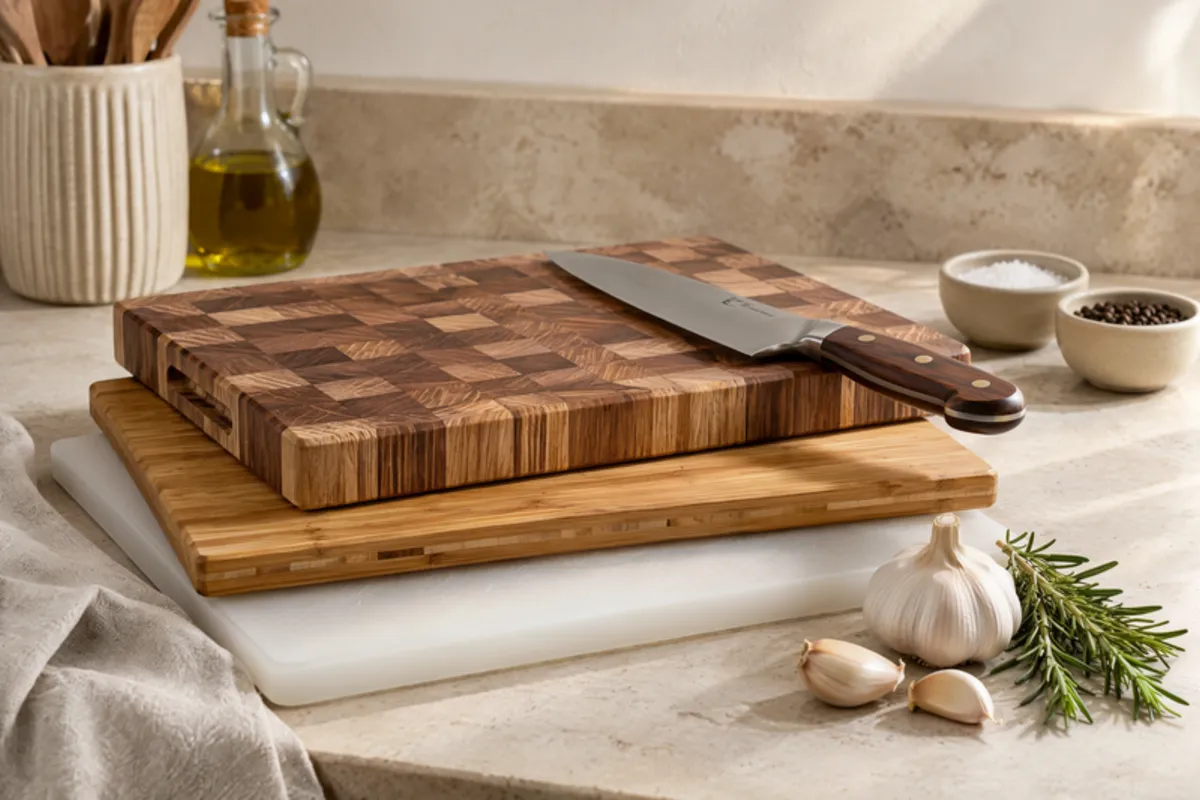
Beech, maple, oak, walnut and acacia are all good. Wood has enough give to protect the edge. Wash by hand, dry upright and rub in food-safe mineral oil every month or so to stop it cracking. Never soak it or put it in the dishwasher.
Plastic
Light, cheap and dishwasher safe, which makes it the practical choice for raw meat and fish. Deep knife scars can harbour bacteria, so replace boards once they are heavily grooved.
Why glass boards are so bad
Glass is much harder than knife steel. Every contact rolls or chips the edge. They also let food slide about and make an unpleasant noise. If you own one, use it for cheese or as a trivet.
Is wood hygienic?
Yes, when cleaned and dried properly. Wood draws moisture away from the surface, and bacteria do not survive well on a dry board. Good practice is one board for raw meat and fish and another for everything else, whatever they are made of.
Size and stability
Buy the biggest board your worktop and sink allow. A cramped board leads to awkward, unsafe cutting. Put a damp cloth or non-slip mat underneath to stop it moving.
Our advice
One large wooden board for vegetables, bread and cooked food, plus one or two plastic boards for raw meat and fish. That combination protects both your knives and your household.
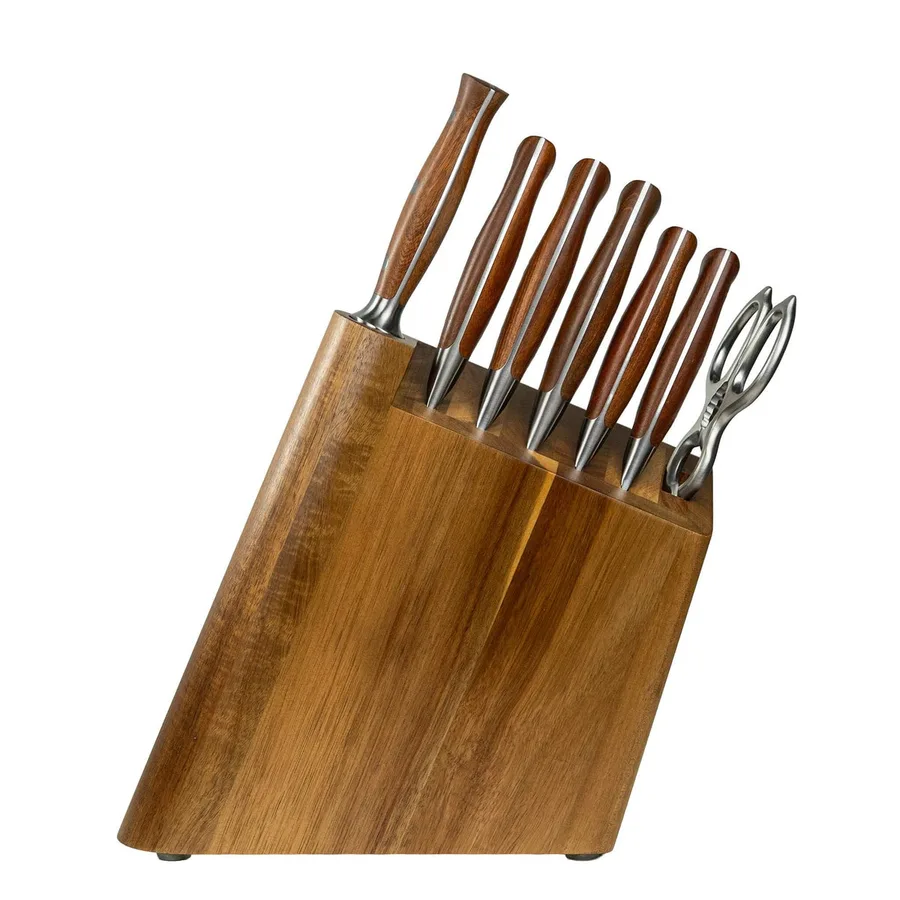
Our top-rated knife sets
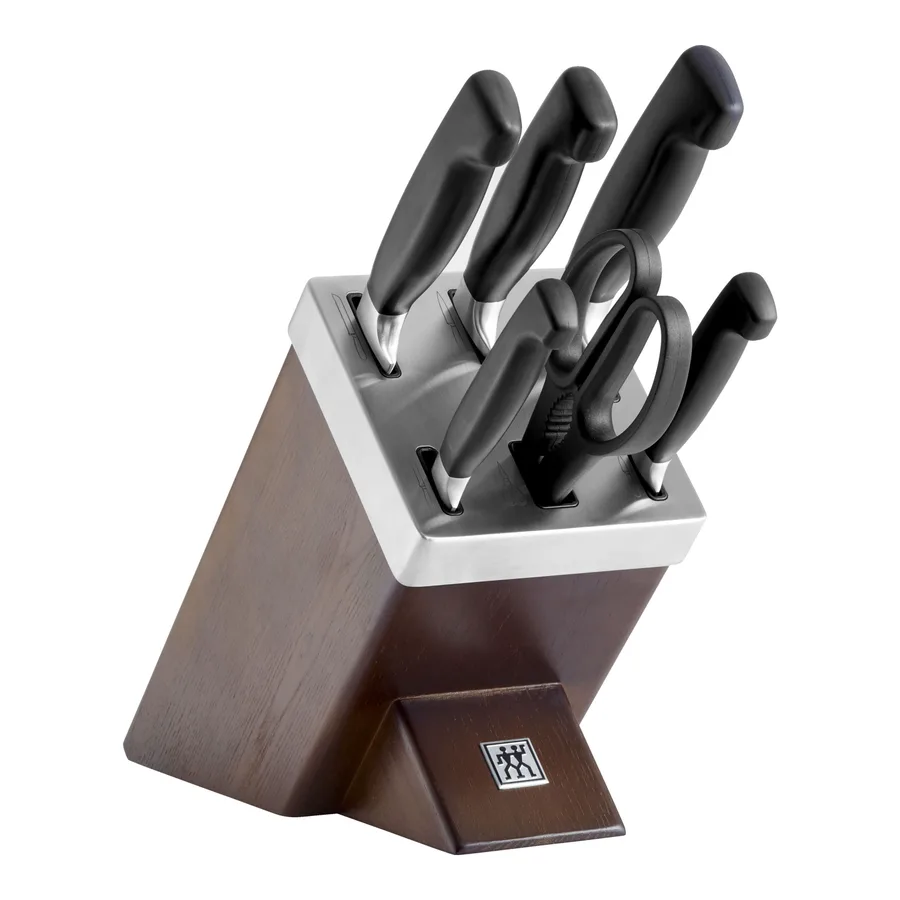
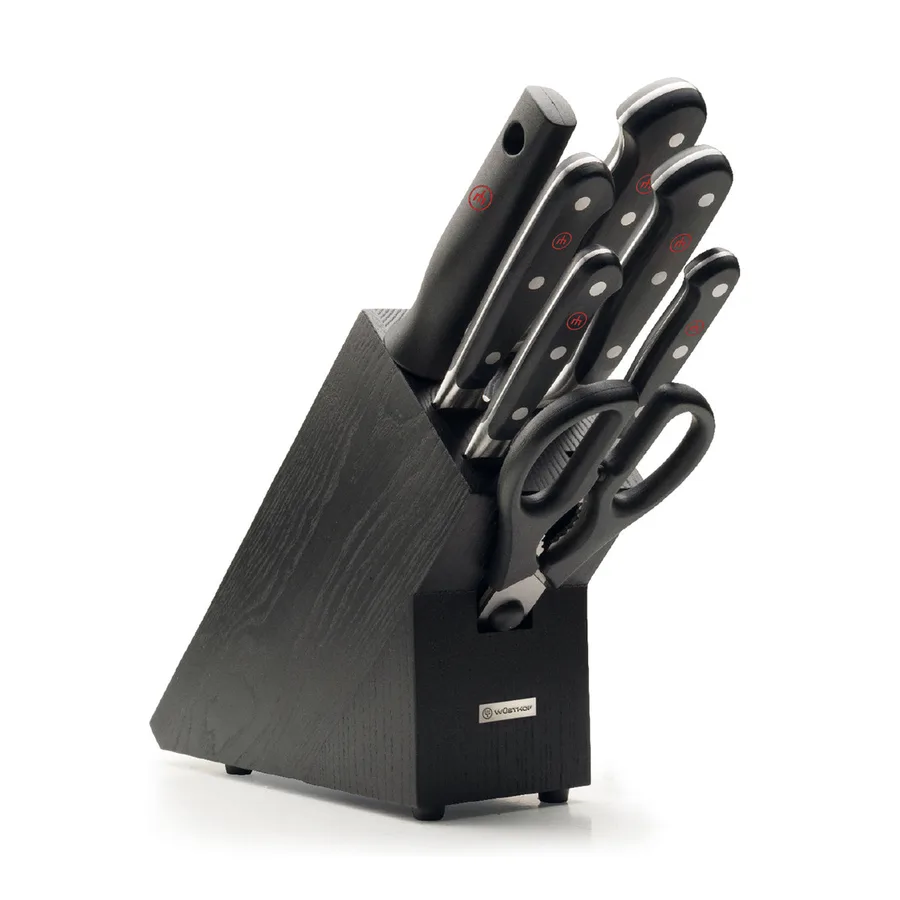
Affiliate links. The deal buttons on this page are affiliate links: we earn a commission if you buy through them, at no extra cost to you. How this works. Prices checked 13 November 2026 and can change. Knives are sold to over-18s only.
Frequently asked questions
What chopping board is best for knives?
A wooden board, ideally end grain, or a soft rubber board. Both have enough give to protect the edge.
Do bamboo boards dull knives?
More than wooden ones. Bamboo is harder and contains silica, so edges wear faster on it.
Are glass chopping boards bad for knives?
Yes. Glass is harder than steel and blunts or chips a knife edge very quickly.